Description: Digital accessibility is often overlooked in the design process. To address this, I participated in an intensive Learning Week organized by Ipedis, a leading French agency specializing in digital accessibility. During this immersive experience, I developed Accessify, an innovative e-learning platform designed to help designers and developers master WCAG and RGAA standards through a gamified approach.
My offer includes:
- UX Research & Audit: I conducted deep research into the barriers users with disabilities face, using heuristic evaluations to identify common friction points.
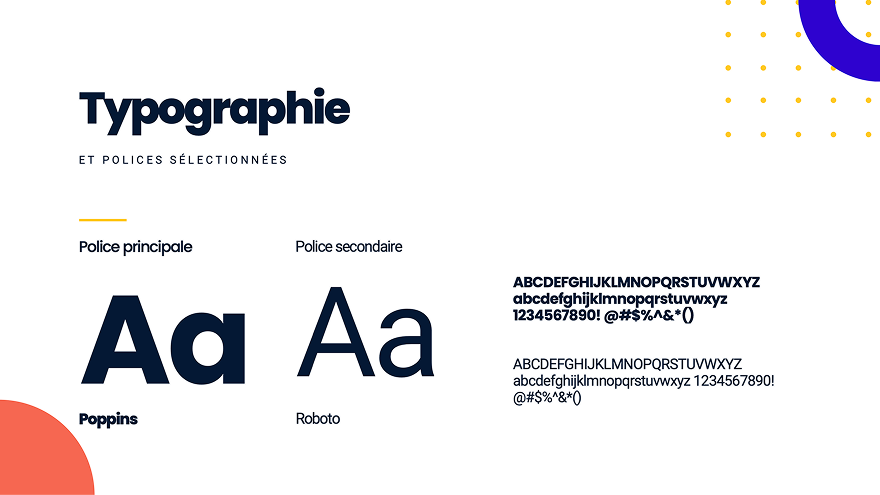
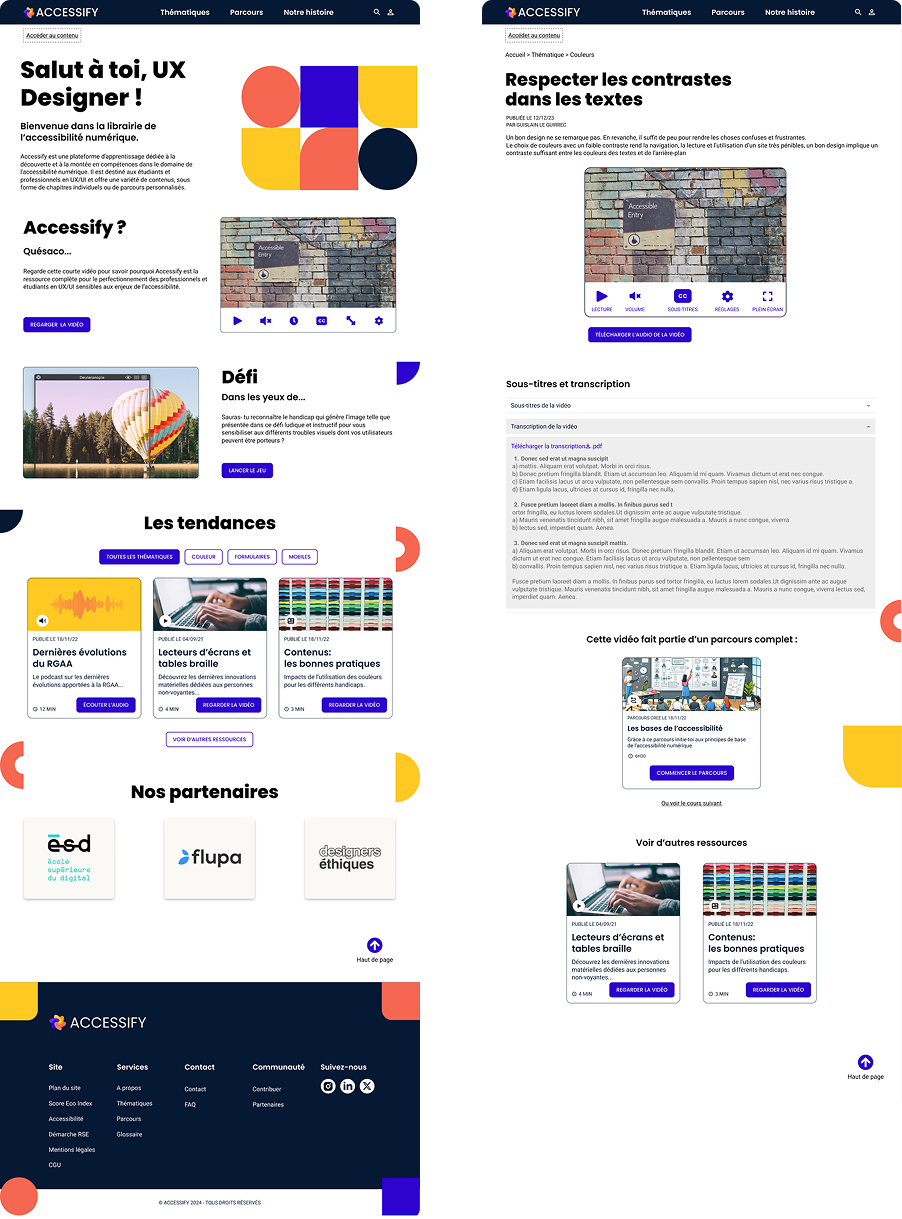
- Inclusive UI Design: I created a visual identity specifically optimized for cognitive accessibility, focusing on high-contrast ratios and readable typography.
- Gamified Learning Paths: I structured the platform into interactive modules where users earn badges as they master accessibility concepts.
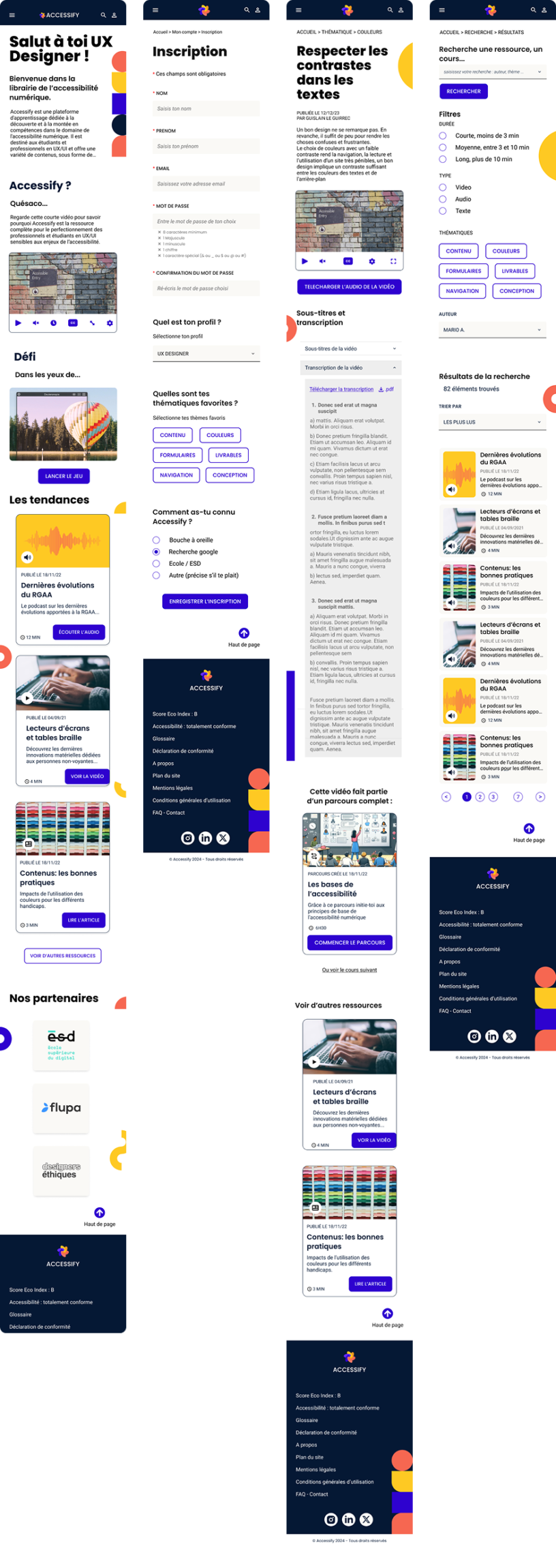
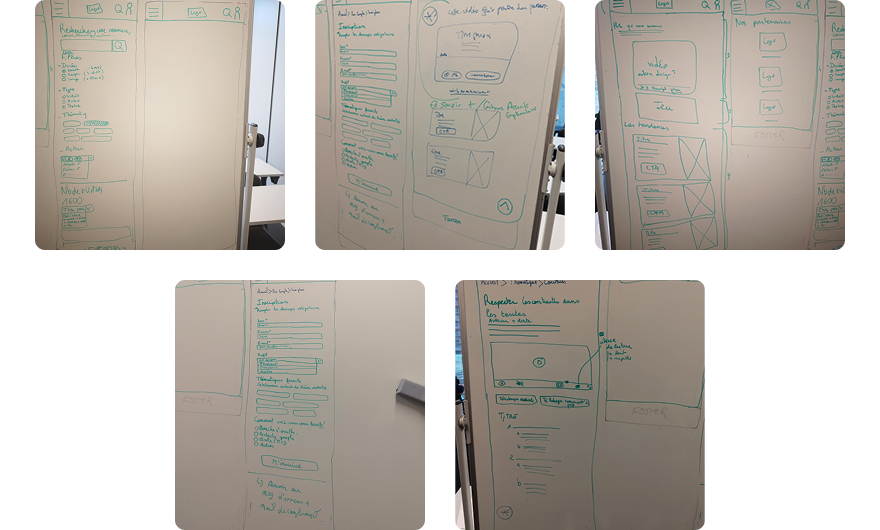
- Wireframes & Mockups (Maquettes): I designed high-fidelity layouts in Figma, ensuring every component was tested for keyboard navigation and screen-reader compatibility.
- Interactive Prototyping: I built a functional prototype to simulate the learning journey and validate the accessibility of the interface itself.
The key steps:
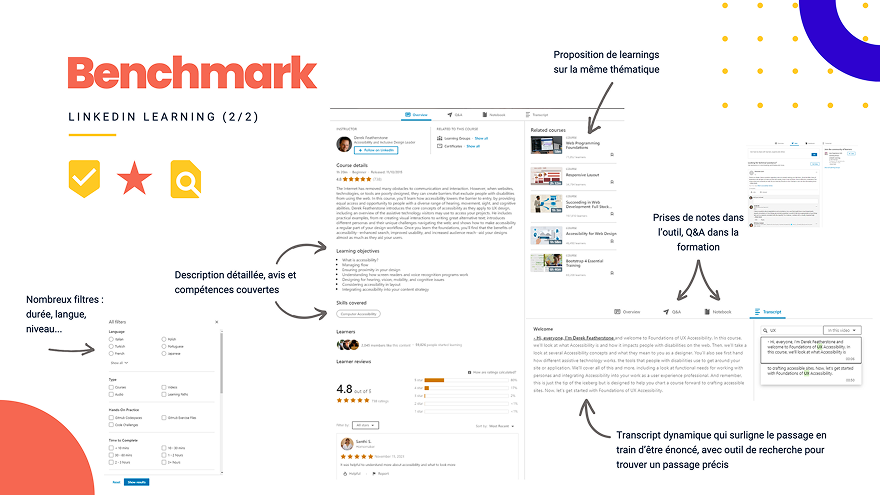
- Discovery & Research 🔍 I began by analyzing the existing e-learning landscape and interviewing professionals to understand why accessibility standards are often difficult to implement.
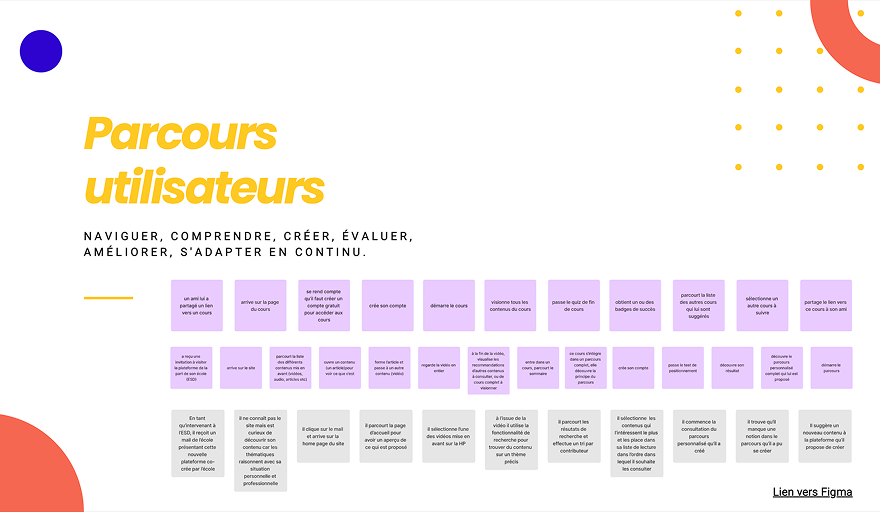
- Information Architecture & Personas 📐 I developed specific personas representing various disabilities (visual, motor, cognitive) to map out inclusive user journeys.
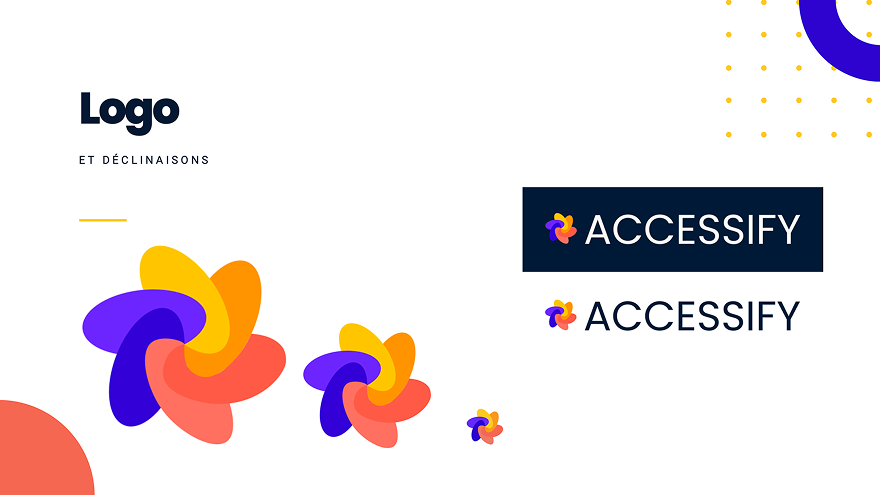
- Visual Identity & Accessibility Specs 🎨 I defined a design system called « Accessify, » choosing colors and fonts that strictly adhere to WCAG AAA standards.
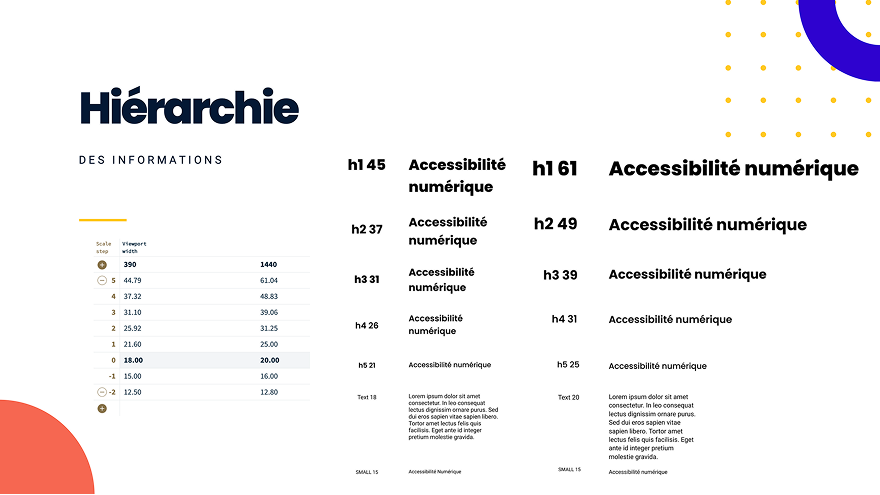
- Prototyping & Interactive Modules 🖱️ I transformed the strategy into high-fidelity mockups and interactive prototypes, focusing on clear hierarchy and intuitive navigation.
- User Testing & Accessibility Audit 🧪 The final phase involved testing the prototype with accessibility tools to ensure the platform was not only educational but also a model of inclusivity.